Rome is one of those places where history isn’t something you visit — it’s something you’re simply immersed in. Ancient ruins, grand piazzas, and bustling streets layer on top of one another at every turn. Three days isn’t enough to see everything, but it’s more than enough to fall completely under the city’s spell.
Rome is one of those places where history isn’t something you visit — it’s something you’re simply immersed in.
Day 1: Ancient Rome & Evening Wanders
Start with the big landmarks. The Colosseum is the natural first stop — vast, awe-inspiring, and surprisingly evocative of the spectacles it once held. From there, walk through the Roman Forum, where scattered columns and crumbling archways give the strange, moving sense of wandering through the bones of a living city. Climb up to Palatine Hill for a sweeping view over it all.
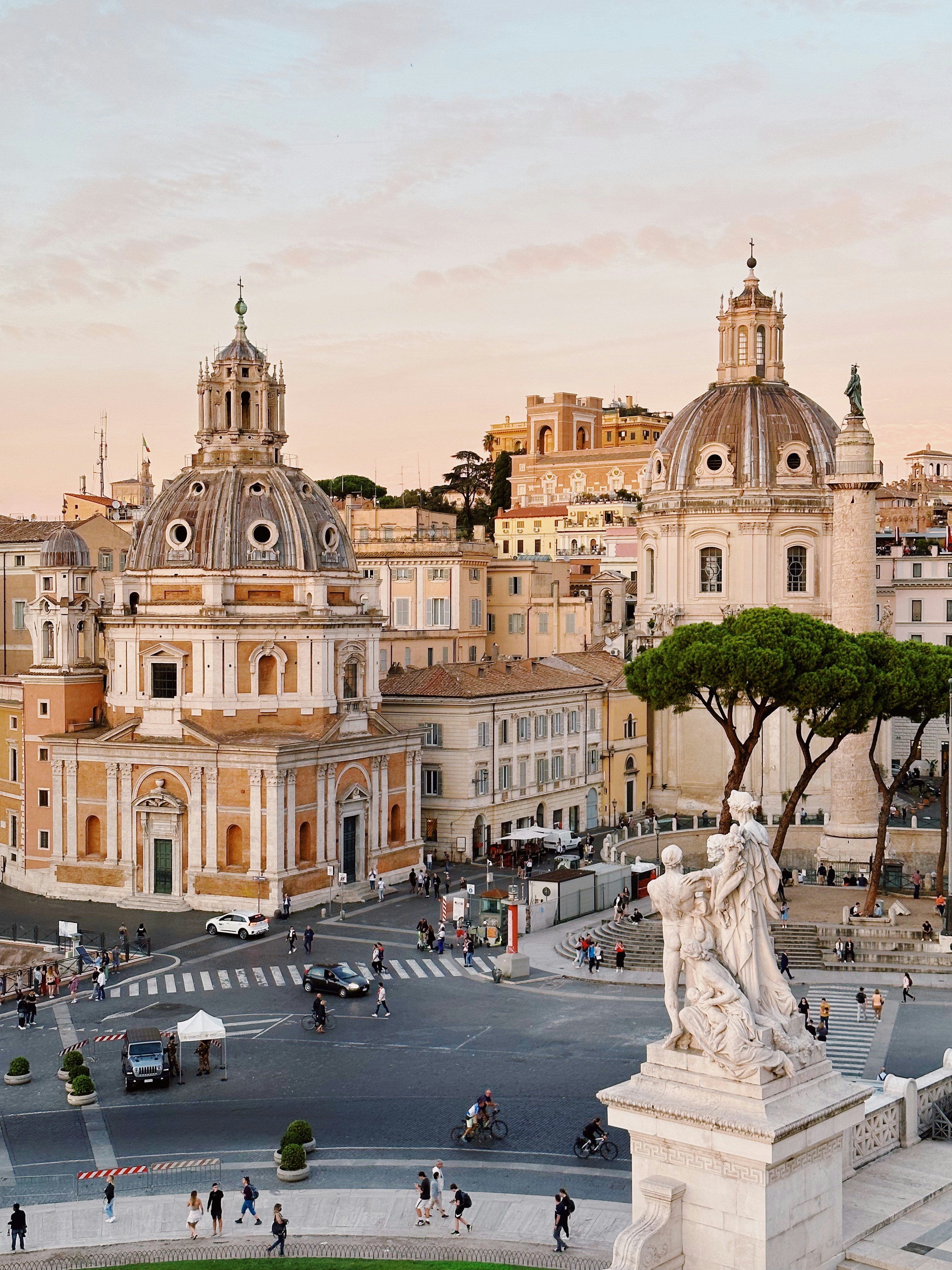
In the afternoon, make your way toward Piazza Venezia — busier and more chaotic, but worth it — and climb the Altare della Patria for another impressive vantage point over the city. As evening sets in, head to the Trevi Fountain. It’s crowded, but still a spectacular sight. Toss a coin, then wander until you find somewhere to eat. Carbonara is a must: no cream, just simple, perfectly executed pasta.
Day 2: Piazzas, the Pantheon & Trastevere
Take a slower pace today. Begin at Piazza Navona and spend some time simply watching the city go about its morning. Then visit the Pantheon — stepping inside and looking up at the oculus is one of Rome’s defining moments. Afterwards, wander through Campo de’ Fiori, grab a quick bite — a panino or a slice of pizza — stop for a coffee, and meander through the smaller surrounding streets without any particular agenda.
In the evening, cross over to Trastevere. The neighbourhood feels more local and relaxed than the tourist-heavy centre, making it the perfect place to settle in, have a drink, and linger over dinner.
Day 3: Hills, Shops & a Slow Farewell
Begin at the Spanish Steps, then stroll into Villa Borghese for a welcome break from the city’s intensity. Make your way up to Pincian Hill for the view. After that, give the afternoon over to unhurried walking — perhaps along Via del Corso toward the Monti neighbourhood, stopping for gelato, browsing shops, and picking up a few things along the way. If you have an interest in art, Galleria Borghese is well worth a visit.
For the final evening, slow things right down. Find a table outside around Campo de’ Fiori or the Jewish Ghetto, and share a meal — pasta, fried artichokes, whatever looks good.
The Best Moments Are the Unplanned Ones
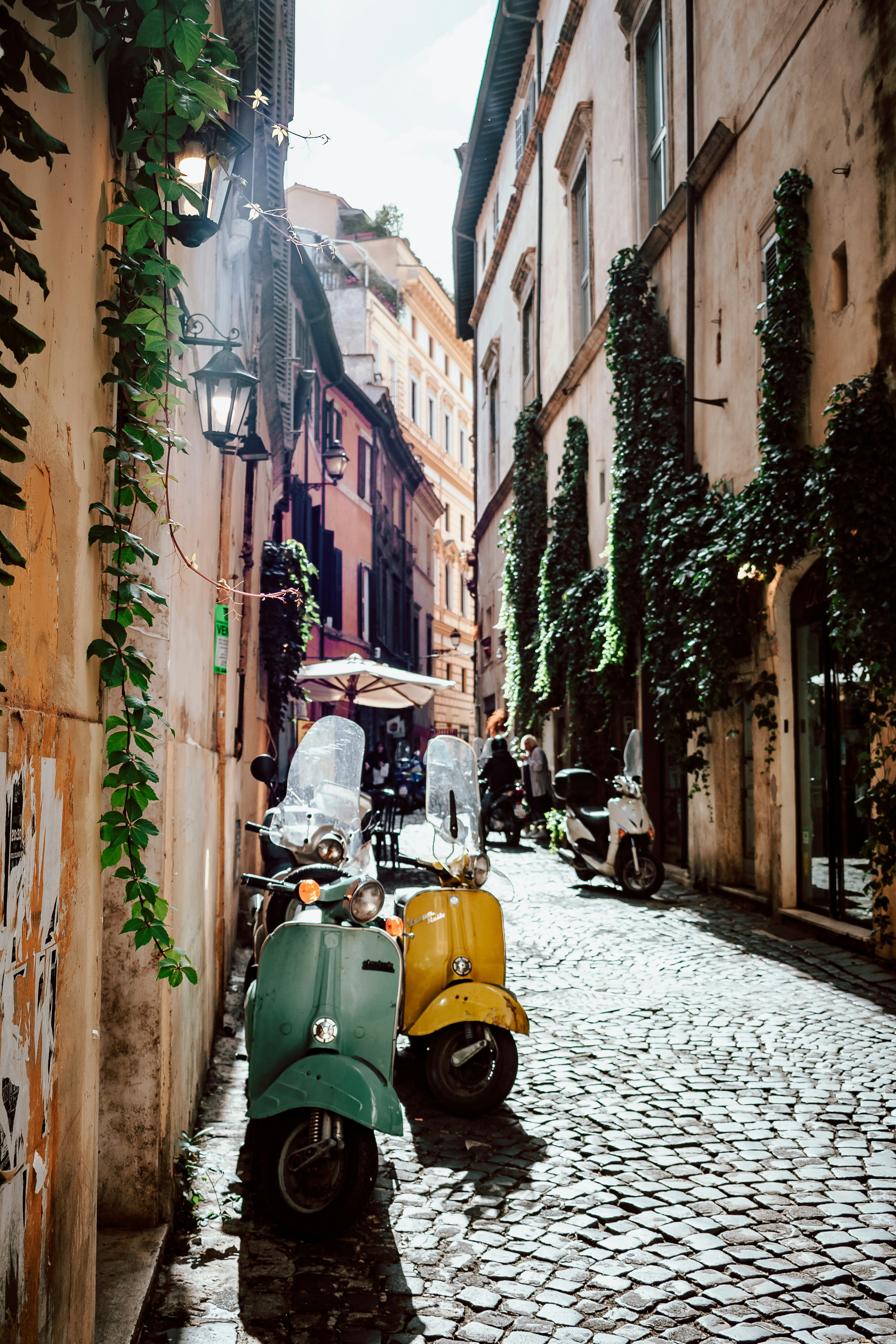
The most memorable parts of Rome rarely appear on any itinerary. It’s the aimless walks, the mid-morning coffee stops, the wrong turns that lead somewhere unexpected, and the small, tucked-away places to eat. That’s simply how Rome works — and it works beautifully.


Leave a reply to Wes Theron Cancel reply